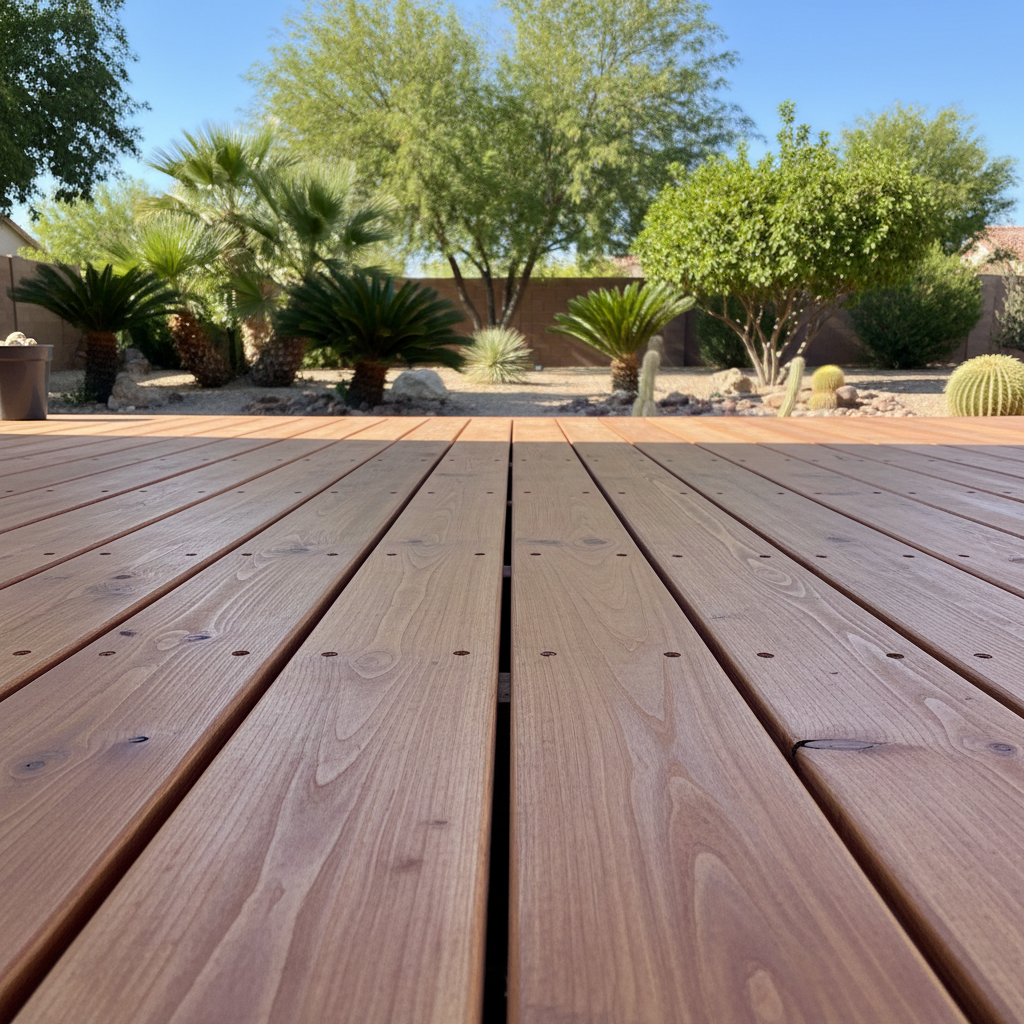
Alright, let's talk about wooden decks here in Las Vegas. I've been building and fixing these things for years, and I hear the same questions pop up all the time. People want to know if wood is even a good idea with our crazy desert climate, what kind of upkeep they're looking at, and if it's really worth the hassle. So, I figured it's time to lay it all out for you, straight from someone who's actually on the job sites.
Is a wooden deck even practical in Las Vegas with our extreme heat?
That's probably the number one question I get, and it's a good one. You're right, our summers are brutal, hitting 110 degrees regularly, and the sun just bakes everything. But here's the deal: a wooden deck can work, though you've got to pick the right wood and commit to the maintenance. Softwoods like pressure-treated pine, while cheaper upfront, are going to take a beating faster. They'll warp, crack, and fade if you don't stay on top of sealing and staining. Hardwoods like Ipe, Tigerwood, or even a good quality redwood or cedar hold up much better to the sun and dry air. They're denser, so they resist warping and splintering more effectively. They'll still need care, but they're built for the long haul, you know?
What's the best type of wood for a deck in the Las Vegas climate?
Like I just touched on, for our climate, you want something tough. If you're going with wood, I usually steer folks towards tropical hardwoods like Ipe or Brazilian Walnut. These woods are incredibly dense, naturally resistant to rot, insects, and UV damage. They're also fire-resistant, which is a nice bonus out here. They do cost more, sometimes a lot more, but they'll outlast softer woods by decades if you treat them right. Redwood and cedar are also good options if you're looking for a more traditional look and don't want to break the bank on tropical hardwoods. They naturally resist decay and insects, but they'll need more frequent sealing than something like Ipe to prevent graying and checking from the sun.
How often do I need to seal or stain a wooden deck in Las Vegas?
This isn't a one-and-done kind of job, especially here. For most wooden decks, you're looking at sealing or staining every 1-3 years. If you've got a pressure-treated pine deck, you'll probably be on the shorter end of that, maybe even yearly if it's getting full sun all day. Hardwoods like Ipe can go a bit longer, maybe every 2-3 years, especially if you're just trying to maintain their original rich color. If you let them go, they'll turn a beautiful silvery-gray, which some people actually prefer. But even if you like the gray, you still need to seal it to protect the wood from drying out and cracking. The sun here is relentless, and the dry air just sucks the moisture right out of wood.
What kind of maintenance does a wooden deck require besides sealing?
Beyond sealing, you've got a few things to keep an eye on. Regular cleaning is a big one. Dust, dirt, and whatever else blows in from the desert can build up. A good sweep and a gentle wash with a deck cleaner (not a pressure washer on full blast, unless you know what you're doing; you can damage the wood fibers) will keep it looking good. Check for loose screws or nails, especially after our big temperature swings. You might get some popping. Look for splintering, especially on older decks or high-traffic areas. And keep an eye out for any signs of rot, though with proper sealing, that shouldn't be an issue for a long time. If you've got a deck that's close to the ground, make sure you've got good ventilation underneath to prevent moisture buildup, which can lead to rot and insect issues, even in our dry climate. You'd be surprised what can happen when air can't circulate.
Will a wooden deck increase my home's value in Las Vegas?
Generally, yes, a well-maintained, attractive deck can definitely add value to your home. People here love outdoor living spaces, and a nice deck expands your usable square footage. But there's a catch: it has to be in good shape. A dilapidated, splintered, or rotting deck is a liability, not an asset. It'll actually detract from your home's value. So, if you're putting in a wooden deck with resale in mind, make sure you're committing to the upkeep. A quality deck from Pacific Deck, built right and cared for, will absolutely be a selling point.
How does a wooden deck feel underfoot in the Vegas heat compared to other materials?
This is a big one for comfort. Wood, especially lighter-colored wood, tends to stay cooler than composite or concrete in direct sunlight. Darker woods will absorb more heat, but generally, wood won't scorch your feet like some other materials can. Tropical hardwoods like Ipe are dense, so they can get pretty warm, but still usually tolerable. Lighter-colored cedar or redwood will be cooler. If you're worried about heat, consider a lighter stain or seal, and definitely think about shade. Pergolas, awnings, or even strategically planted trees can make a huge difference in how comfortable your deck is during those peak summer hours. We're talking the difference between being able to walk on it barefoot and needing shoes just to get to the grill.
What about pests? Are wooden decks more prone to termites in Las Vegas?
Termites are a real concern here in Las Vegas, no doubt about it. They love wood. That's why choosing the right wood and proper installation are key. Pressure-treated lumber is chemically treated to resist termites and rot, so it's a good baseline. Hardwoods like Ipe are naturally very dense and resistant to termites, which is another reason they're a good investment. But no wood is 100% immune if conditions are right for pests. The main thing is to keep your deck clean, dry, and ensure there's no wood-to-soil contact. Don't stack firewood or other wood debris right up against your deck. Regular inspections, especially if your deck is close to the ground or has any areas where moisture might collect, are smart. If you see any signs of termites, call a pest control professional immediately. Don't mess around with those guys.
Can I build a wooden deck myself, or should I hire a professional?
Look, I'm a contractor, so you might think I'd just say